
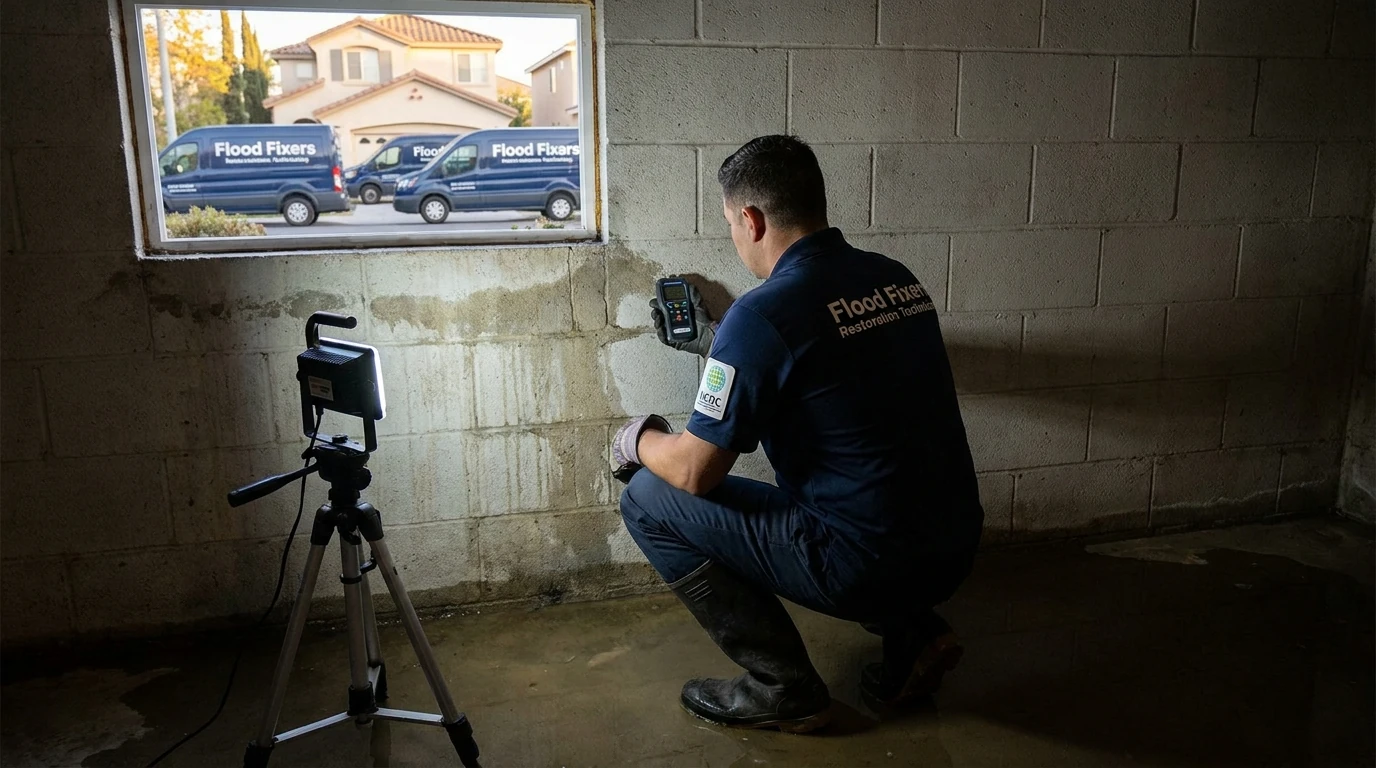
TL;DR: Renters insurance typically covers your personal belongings when a basement floods due to a sudden internal cause, like a burst pipe or a washing machine overflow. It does not cover flooding caused by rain, storm surge, or groundwater seeping in from outside. That kind of flooding requires a separate flood insurance policy through the National Flood Insurance Program (NFIP). Your landlord’s policy covers the building structure, not your stuff.
Your upstairs neighbor’s water heater just failed. Water poured through the ceiling and into your basement apartment. You’re standing in two inches of water staring at a soaked couch, a ruined laptop, and boxes of clothes you’ll never get back. Your first question is the right one: does my renters insurance cover this?
The answer depends almost entirely on where the water came from. This post breaks that down clearly so you know exactly what to file, what to skip, and what to do right now.
Does Renters Insurance Cover Basement Flooding?
Renters insurance covers your personal property when the flooding comes from a sudden, accidental internal source. A pipe that bursts in the wall, an overflowing bathtub, a dishwasher that fails, a water heater that ruptures, these are covered causes under a standard HO-4 renters policy. If water from one of those sources damages your furniture, electronics, clothing, or other belongings, your personal property coverage pays to repair or replace them up to your policy limit.
What renters insurance does not cover is surface water flooding, meaning rain that overwhelms the drainage system, groundwater that seeps through basement walls, or water that backs up through a floor drain during a storm. The Insurance Information Institute is clear on this: standard homeowners and renters policies exclude flood damage as defined under the NFIP. That exclusion applies whether you rent a basement unit in El Cajon or a ground-floor apartment in Chula Vista.
What Is the Difference Between Tenant Coverage and Landlord Coverage?
Your landlord’s policy covers the building itself: the walls, the foundation, the electrical wiring, the plumbing inside the structure, and the flooring. If a pipe in the wall bursts and ruins the drywall and subfloor, that repair is on the landlord’s policy, not yours.
Your renters policy covers your stuff, not the building. That distinction matters a lot in a basement flood:
- Your couch, TV, laptop, clothing: covered under your renters policy if the cause is a covered peril (burst pipe, appliance failure, etc.)
- The carpet or flooring itself: the landlord’s responsibility, not yours
- Your security deposit: a separate legal question; document everything with photos before you move anything
- Temporary housing if the unit is uninhabitable: most renters policies include Additional Living Expenses (ALE) coverage, which pays for a hotel or short-term rental while repairs happen
If your landlord’s negligence caused the flooding (a known plumbing problem they ignored, for example), you may have a liability claim against them. That is a legal matter, not an insurance one, and worth discussing with a tenant-rights attorney if the damage is significant.
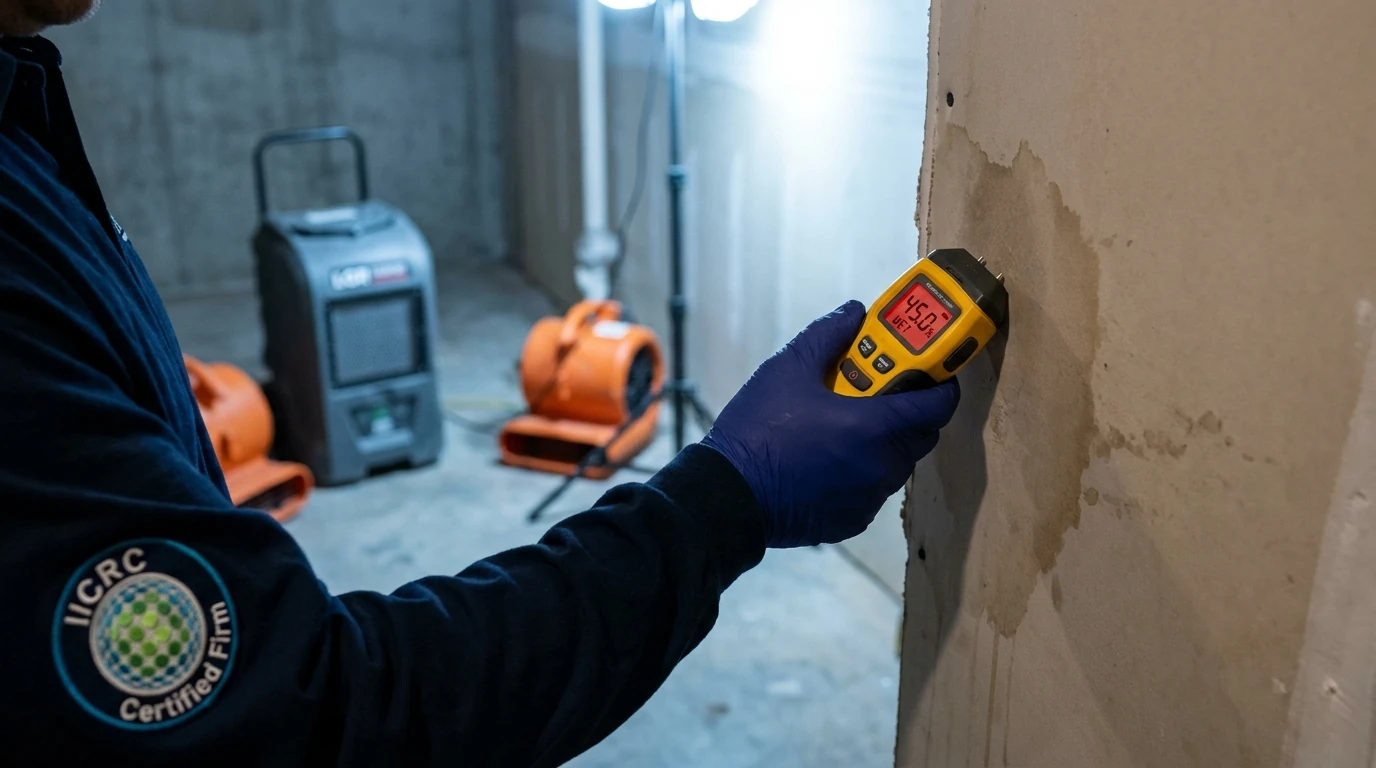
Does Rain or Storm Flooding Count as a Covered Cause?
No. Rain-driven flooding is almost never covered by a standard renters policy, and this is where most tenants get surprised.
When San Diego County gets a heavy rain event and water pours into a basement through window wells, door gaps, or overwhelmed storm drains, that is classified as flood damage under NFIP definitions. The same applies to water that backs up through a floor drain because the municipal sewer system is overloaded. Standard renters insurance excludes both.
There are two ways to get covered for this:
-
NFIP flood insurance: The federal government’s flood insurance program, administered through FloodSmart.gov, offers contents-only coverage for renters. As of 2026, a contents-only policy typically starts around $100 per year in lower-risk zones, though premiums vary by flood zone designation and coverage amount. There is a standard 30-day waiting period before a new policy takes effect, so you cannot buy it after a storm is already in the forecast.
-
Sewer backup endorsement: Some insurers offer this as an add-on to a renters policy for a modest premium. It covers water that backs up through drains or sewers, a common basement flooding cause during heavy rain. Check your current policy declarations page to see if you have it.
For more on how flood damage and water damage are defined differently, see our post on the difference between flood damage and water damage.
What Should You Do the Moment Your Basement Floods?
Stop the source first if it is safe to do so. If a supply line is still running, shut off the water at the unit valve or the main. If there is any chance of electrical hazard (outlets near standing water, a panel in the basement), do not enter the space, call your landlord and 911.
Once it is safe:
-
Document everything before touching it. Take photos and video of every damaged item and every wet surface. This documentation is your claim. Without it, insurers and landlords have room to dispute what was actually damaged.
-
Call your renters insurance company. Report the loss as soon as possible. Most policies require prompt notice. Give them the cause of the flooding, be specific. “A pipe burst in the ceiling above my unit” is a covered cause. “It rained and water came in through the window” is not.
-
Notify your landlord in writing. A text or email creates a timestamp. State the cause, describe the damage to the unit, and request immediate repairs. In California, landlords are required to maintain habitable conditions, which includes functional plumbing and a weathertight structure.
-
Separate damaged from undamaged items. Move salvageable belongings out of the wet area. Do not throw anything away until your adjuster has seen it or given you the go-ahead, discarding items before documentation can hurt your claim.
-
Begin drying immediately. Mold can begin growing within 24 to 48 hours of a water event, according to EPA guidance. Open windows if the outside air is drier than inside, run fans, and get a dehumidifier running if you have access to one. If the flooding is significant, professional water extraction and drying is the fastest way to prevent secondary damage.
For a full step-by-step guide on what to do in the first hours, see our burst pipe emergency checklist.
What Does Renters Insurance Actually Pay Out?
Most renters policies pay personal property claims one of two ways:
- Actual Cash Value (ACV): Pays what your item was worth at the time of loss, factoring in depreciation. A three-year-old laptop that cost $1,200 new might pay out $600 or less.
- Replacement Cost Value (RCV): Pays what it costs to buy a comparable new item today. This is the better coverage and usually costs only a few dollars more per month.
Check your declarations page to see which you have. If you have ACV coverage and significant belongings in a basement unit, it may be worth calling your insurer to upgrade.
Also check your deductible. Most renters policies carry a $500 to $1,000 deductible. If your total loss is $800 and your deductible is $1,000, filing a claim may not make sense, and a filed claim can affect your future premiums even if nothing is paid out.
What Happens When the Flooding Is Not Clearly Anyone’s Fault?
This is the gray zone. A slow leak inside a wall that finally gives way, a floor drain that backs up during an unusually heavy rain, a sump pump that fails, these situations often involve a dispute between what your renters policy covers, what the landlord’s policy covers, and whether the NFIP flood definition applies.
Document the cause as specifically as possible. If a plumber or restoration crew can confirm in writing that the water source was an internal plumbing failure (not groundwater intrusion), that documentation can be the difference between a covered claim and a denied one.
Flood Fixers provides written scope documentation for every job, which can support your insurance claim regardless of which policy is paying. If you need professional water extraction and drying after a basement flood, call (855) 204-1124, 24/7 emergency service is available.
For more on how homeowners policies handle water damage (useful context if your landlord is disputing their coverage), see our post Does Homeowners Insurance Cover Water Damage?
About Flood Fixers
Flood Fixers is an IICRC Certified, EPA Lead-Safe Certified, licensed and insured restoration company serving San Diego and surrounding Southern California communities. Their crews handle water damage restoration, flood damage restoration, burst pipe response, basement flooding cleanup, and reconstruction across the region. Flood Fixers provides 24/7 emergency service and written scope documentation to support insurance claims.
Video Transcript
Your basement just flooded. Now you’re wondering: does my renters insurance actually cover this? The answer depends on where the water came from. Renters insurance covers flooding from sudden internal sources, a burst pipe, a failed water heater, or an overflowing appliance upstairs. If that’s your situation, your personal property coverage can pay to replace your furniture, electronics, and clothing up to your policy limit. But rain flooding, groundwater seeping through walls, or storm drain backups? Standard renters insurance does not cover those. That’s a hard exclusion. For rain-driven flooding, you need a separate flood insurance policy through NFIP. Contents-only coverage for renters can start around a hundred dollars a year. Also check if your policy has a sewer backup endorsement. It covers water backing up through floor drains, a very common basement flooding cause during heavy storms. Your landlord’s policy covers the building, walls, flooring, plumbing. Your policy covers your stuff. Know the difference before you file the wrong claim. The moment it’s safe, document everything. Photos and video of every damaged item before you move anything. That footage is your claim. Then call your insurance company and be specific about the cause. A burst pipe is covered. Rain coming through a window is not. The wording matters. Need emergency water removal right now? Call Flood Fixers at 855-204-1124 for a free estimate. We’re ready when you need us.