TL;DR: Category 3 water damage, also called black water, is the most hazardous classification under the IICRC S500 standard. It contains sewage, bacteria, or other contaminants that make drying alone unsafe. Porous materials like drywall, insulation, and carpet must be removed and discarded. Restoration costs are higher than Category 1 or 2 losses, and the work requires full PPE, containment, and antimicrobial treatment throughout.
If your basement just backed up with sewage, or floodwater from outside came through your foundation, you’re not dealing with a simple drying job. The water in your home right now is classified as Category 3, and that classification changes every decision that follows, what gets saved, what gets torn out, how long the job takes, and what your insurance adjuster will expect to see in the restoration scope.
What Are the Three Categories of Water Damage?
The IICRC S500 standard defines three categories of water based on contamination level, not the amount of water or how long it sat. Category 1 is clean water from a supply line or appliance. Category 2 is gray water with some contamination, a washing machine overflow or a dishwasher leak. Category 3 is grossly contaminated water that poses a serious health risk on contact.
Here’s how the three categories compare:
Category 1, Clean Water Source: broken supply line, overflowing sink (clean water only), rain through a roof opening. No significant biological or chemical contamination. Drying in place is typically appropriate if addressed within 24-48 hours. Lowest restoration cost.
Category 2, Gray Water Source: washing machine discharge, dishwasher overflow, toilet overflow with urine only (no feces), aquarium leak. Contains some biological or chemical load. Drying in place may still be possible with antimicrobial treatment, but porous materials that stayed wet beyond 48-72 hours are usually removed. Moderate cost.
Category 3, Black Water Source: sewage backup, toilet overflow with feces, rising floodwater from outside, groundwater intrusion, river or storm surge flooding. Grossly contaminated. All porous materials in the affected area must be removed regardless of drying time. Highest cost, most complex scope.
One important note: categories can escalate. Clean water left untreated for 48-72 hours can degrade to Category 2. Gray water left longer can become Category 3. The clock matters.
Is Category 3 Water Damage Dangerous?
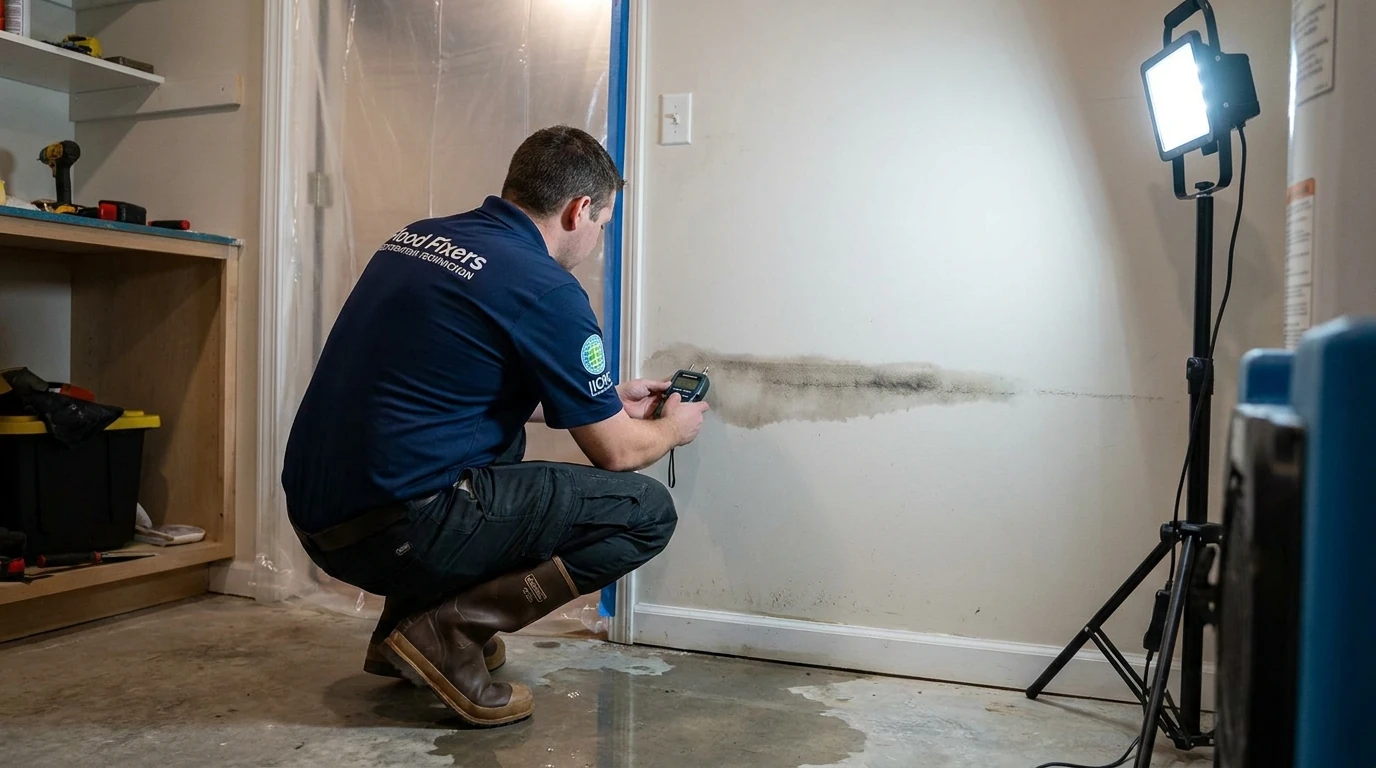
Category 3 water is dangerous because it carries pathogens, bacteria like E. coli and Salmonella, viruses, and potentially parasites, that can cause serious illness through skin contact, inhalation of dried particles, or accidental ingestion. The EPA recognizes sewage as a significant health hazard in residential settings, and the IICRC S500 requires that workers handling Category 3 losses wear full PPE: N95 or higher respirators, gloves, eye protection, and in many cases Tyvek suits.
For homeowners, this means you should not walk through standing Category 3 water without waterproof boots, and you should not attempt to clean it up with household mops and fans. Once the water dries, the contamination doesn’t disappear, it concentrates in whatever porous material absorbed it. Drywall that absorbed sewage-contaminated water will harbor bacteria even after it appears dry.
Mold is a secondary concern. Category 3 losses create ideal conditions for mold growth within 24-48 hours. If you’re curious how fast that timeline moves, our post on how quickly mold grows after water damage covers it in detail.
What Has to Be Removed vs. What Can Be Saved?
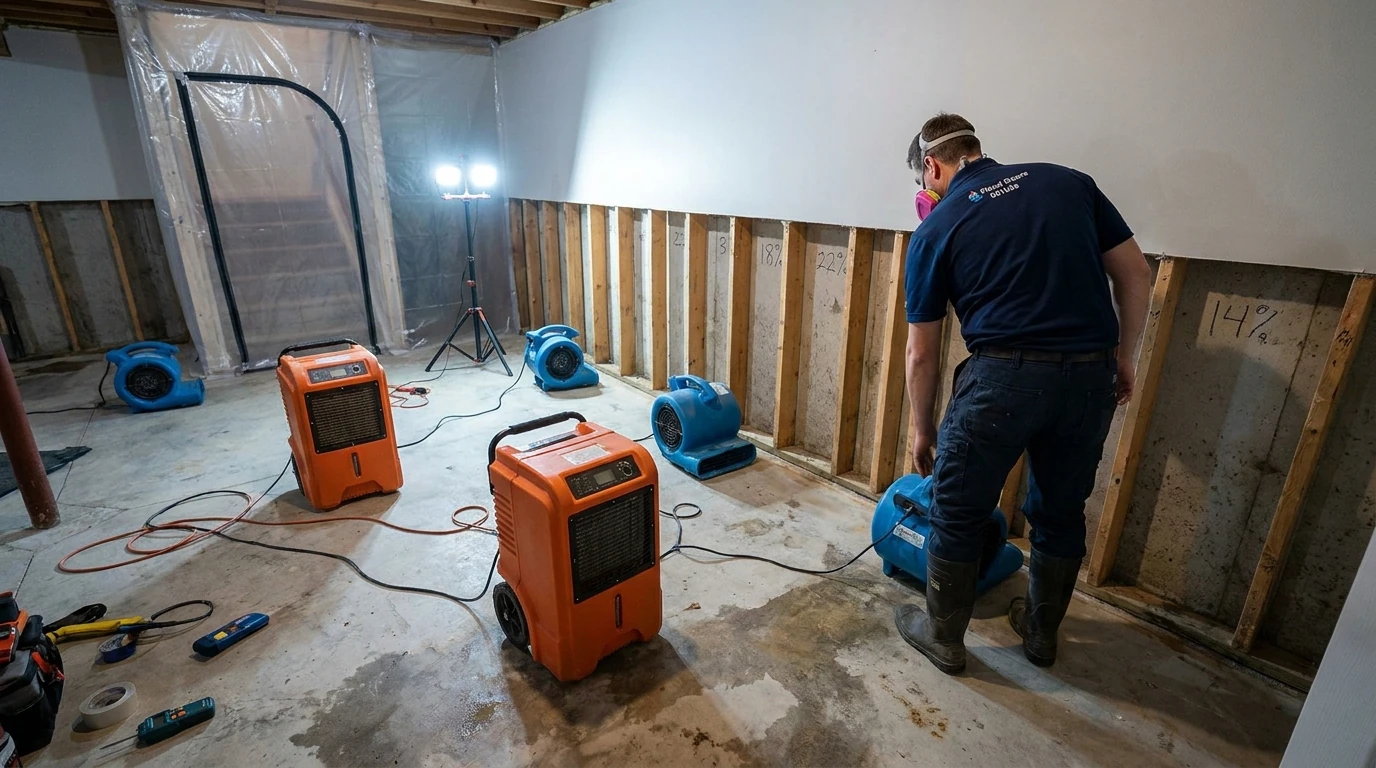
In a Category 3 loss, the rule is simple: if it’s porous and it got wet, it goes. Porous materials absorb contaminated water into their structure, and no amount of drying or surface disinfection makes them safe to leave in place.
Materials that are typically removed in a Category 3 loss:
- Drywall (usually cut 12-24 inches above the visible waterline)
- Insulation (fiberglass batts, cellulose, and foam board that absorbed water)
- Carpet and carpet pad
- Hardwood flooring in most cases
- Particleboard cabinets or subfloor
- Upholstered furniture that was in contact with the water
Materials that can often be cleaned and retained:
- Concrete and masonry (non-porous, can be cleaned and treated)
- Ceramic tile (the tile itself, though grout may need treatment)
- Metal framing and hardware
- PVC and other non-porous plastics
- Solid hardwood structural members (if dried and treated promptly)
This demolition scope is why Category 3 jobs cost significantly more than Category 1 losses. You’re not just drying a space, you’re removing materials, treating the structure, and rebuilding. If your home needs reconstruction after the remediation phase, that’s a separate but connected scope of work.
How Does Category 3 Affect Your Insurance Claim?
Most standard homeowners policies cover sudden and accidental water damage, but coverage for Category 3 losses depends heavily on the source. This is where the category classification directly affects your claim.
Sewage backup: typically NOT covered under a standard homeowners policy unless you purchased a sewer backup rider. This is one of the most common coverage gaps homeowners discover after a loss. Check your declarations page for “water backup” or “sewer and drain” endorsement language before assuming you’re covered.
Flooding from outside (storm surge, rising groundwater, overland flooding): NOT covered by standard homeowners insurance. Flood coverage requires a separate NFIP policy or a private flood policy. The FEMA National Flood Insurance Program provides baseline coverage for most residential properties.
Internal pipe failure that caused secondary contamination: If a clean-water pipe burst and the water sat long enough to degrade to Category 3, the original event (the burst pipe) may be covered, but the insurer’s adjuster will scrutinize the timeline. Proper documentation of when the loss was discovered matters here. Our post on homeowners insurance and water damage breaks down what policies typically cover and what they exclude.
Always request a written scope of work from your restoration contractor that explicitly documents the water category. That documentation supports your claim and protects you if the insurer questions the extent of the demolition.
What Does Category 3 Restoration Actually Look Like?
A properly executed Category 3 restoration follows a defined sequence. Cutting corners at any stage creates health and liability risk.
- Containment: The affected area is isolated with poly sheeting and negative air pressure to prevent cross-contamination to unaffected parts of the home.
- Extraction: Standing water is removed with truck-mounted or portable extractors. No fans are run until contaminated water is fully extracted, running fans in an uncontained Category 3 space spreads aerosolized contaminants.
- Demolition: All porous materials in the affected zone are removed, bagged, and disposed of per local regulations.
- Antimicrobial treatment: Structural surfaces, framing, concrete, subfloor, are cleaned and treated with EPA-registered antimicrobial agents.
- Drying: Only after contaminated materials are removed and surfaces are treated does the drying phase begin. LGR dehumidifiers and air movers run until moisture readings in structural materials return to acceptable baselines (typically below 16% moisture content in wood framing).
- Clearance testing: Some jurisdictions and insurers require post-remediation verification before reconstruction begins.
- Reconstruction: Once the structure is clean and dry, rebuild begins, new drywall, insulation, flooring, and finishes.
If your loss involved a basement, the basement flooding cleanup process follows this same sequence, with additional attention to foundation waterproofing and sump system assessment.
What Should You Do Right Now?
If you’re in the middle of a Category 3 loss, the most important thing is to stop exposure and call a certified restoration contractor before doing anything else. Do not run fans, do not attempt to mop up the water, and do not let children or pets into the affected area.
Document everything before any work begins: photos and video of the water level, the source, affected materials, and any contents in the space. That documentation is the foundation of your insurance claim.
Flood Fixers is IICRC Certified and EPA Lead-Safe Certified, and available 24/7 for emergency response. If you’re facing a Category 3 loss and need a written scope and extraction started today, call (855) 204-1124 or request a water damage assessment.
About Flood Fixers
Flood Fixers is an IICRC Certified and EPA Lead-Safe Certified water damage restoration company serving San Diego, CA and surrounding communities including Chula Vista, Oceanside, Escondido, Carlsbad, and El Cajon. Their crews handle water damage, flood losses, sewage backups, and full post-remediation reconstruction. Flood Fixers is licensed and insured, and provides 24/7 emergency response throughout the San Diego region.